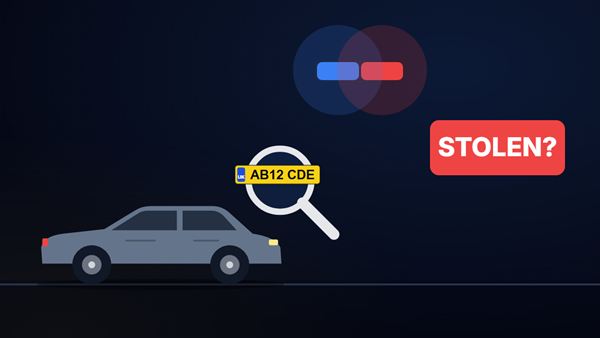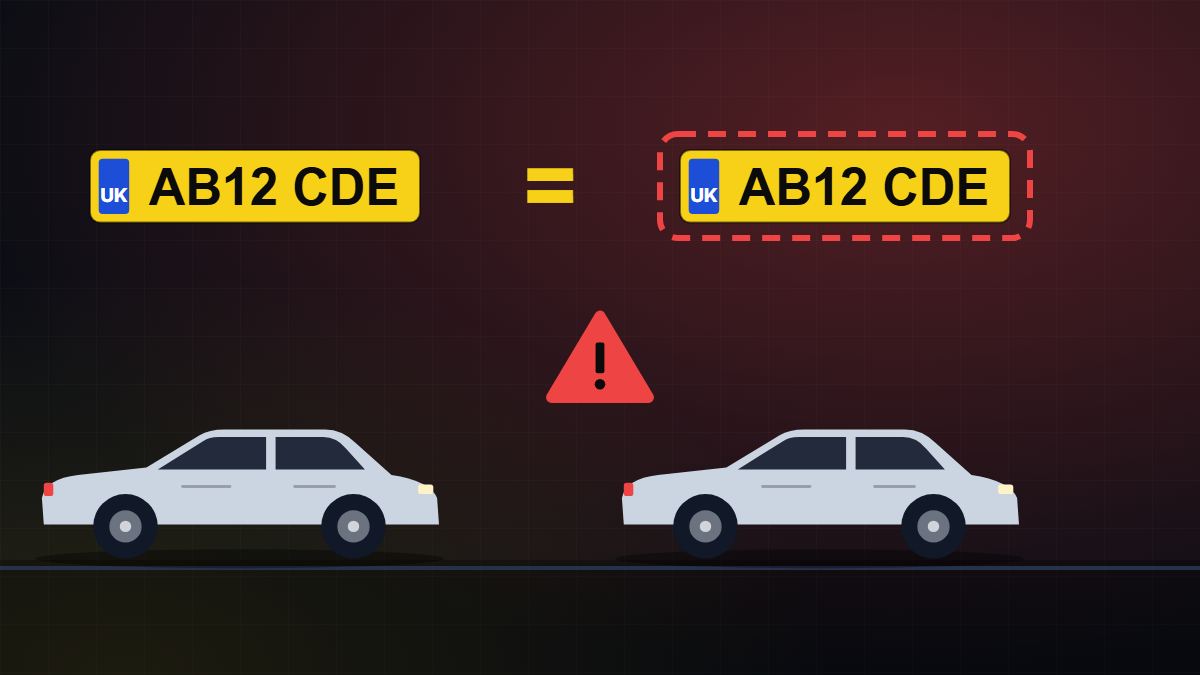
A cloned car is a stolen car disguised with the identity of a legitimate one: same make, model and colour, with copied number plates. A check on the plate looks clean, because it’s really the other car’s record.
How cloning works
Criminals find a matching car, often from adverts, and copy its registration. They may also fake the VIN plate and V5C. The stolen car is then sold, usually privately and quickly.
Warning signs
- The VIN on the windscreen, door pillar or engine bay doesn’t match the V5C, or looks tampered with.
- The V5C is missing, looks fake, or the seller’s address doesn’t match where you’re viewing.
- MOT history mileage doesn’t fit the car’s current reading, or MOT records show a different colour.
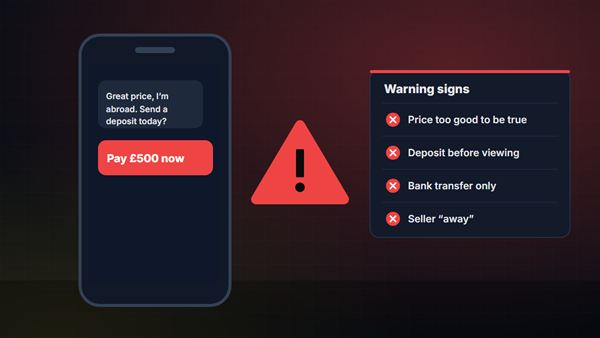
- The price is low and the seller is in a hurry.
Check the details match
Run a free car check and compare every detail with the car in front of you: colour, engine size, fuel type and year. Then compare the MOT mileage with the dashboard. A cloned car often fails one of these.
If your car has been cloned
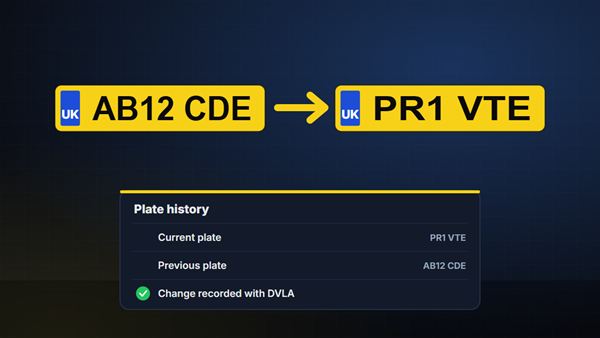
Fines or speeding tickets for places you’ve never been are the usual sign. Report it to the police, tell the DVLA, and keep evidence of where your car was. The DVLA may issue a new registration number.
See also: What to do if your number plate has been cloned · How to decode a VIN (vehicle identification number)
Frequently asked questions
Will a history check catch a cloned car?
Not on its own, because the plate belongs to a real, clean car. Matching the VIN and details to the records is what catches a clone.
Where is the VIN on a car?
Usually at the base of the windscreen, on the driver’s door pillar and in the engine bay. It’s also printed on the V5C.
What happens if I buy a cloned car?
It’s stolen property, so the police will take it. You’ll usually lose the money you paid.