Most used car sales are honest, but scammers target buyers who are in a hurry. These are the tricks that come up again and again.
The common scams
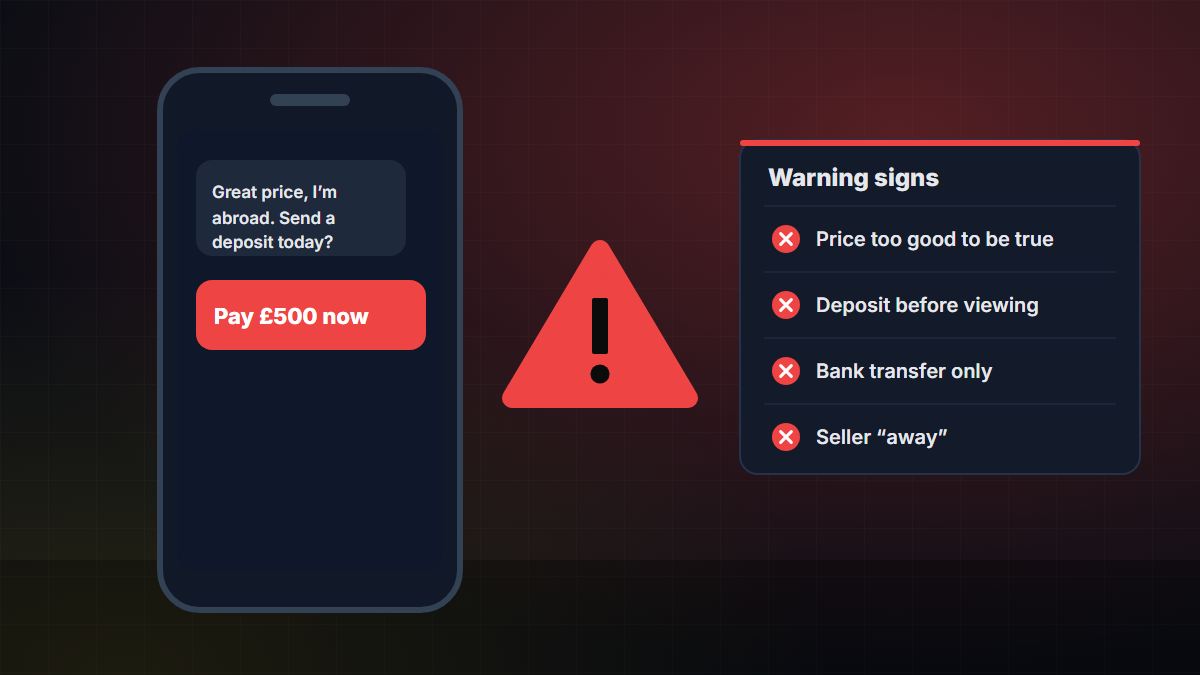
- Deposit scams: you’re asked to pay a deposit to “hold” a car you haven’t seen. The car doesn’t exist.
- Fake escrow or delivery services: the “seller” asks you to pay a third-party service that turns out to be fake.
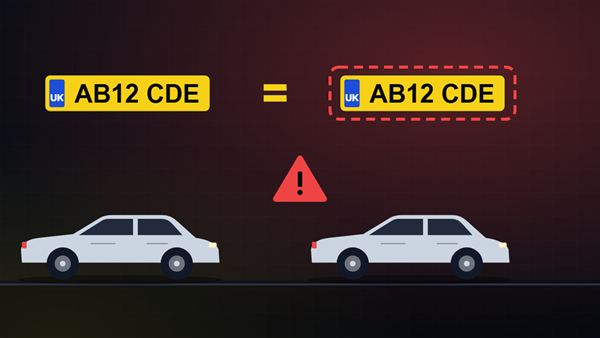
- Cloned cars: a stolen car disguised with another car’s plates. See how to spot a cloned car.
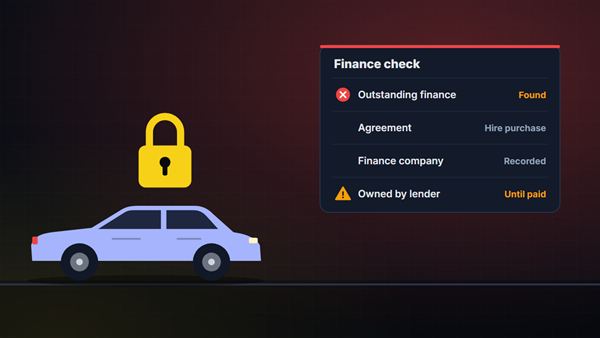
- Hidden finance: a car still owned by a lender is sold as if it were the seller’s. See how to check for outstanding finance.
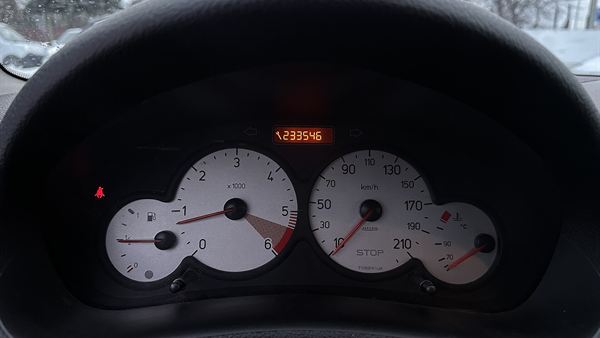
- Clocking: the mileage is wound back. See how to spot a clocked car.
- Concealed write-offs: a repaired Cat S or N car is sold without telling you.
- Curbstoning: a trader posing as a private seller to avoid consumer law.
- Fake payment proof (when selling): a buyer shows a doctored screenshot of a bank transfer.
How to protect yourself
- Never pay before seeing the car in person and checking the paperwork.
- View the car at the seller’s home address, matching the V5C.
- Run a full history check before paying anything.
- Pay by bank transfer to an account in the seller’s name, and keep a receipt.
If you’ve been scammed
Contact your bank straight away, then report it to the police on 101 or to Action Fraud online.
Frequently asked questions
Should I pay a deposit on a car I haven’t seen?
It’s risky. Only pay a deposit to an established dealer, and pay by card for extra protection.
How do I report a car scam?
Report fraud to Action Fraud and tell your bank as soon as possible.
Can a car check prevent scams?
It catches finance, stolen and write-off records and mileage problems, which covers the most expensive scams.