Winding back a car’s mileage, known as clocking, adds thousands of pounds to its price and hides wear. Digital dashboards haven’t stopped it: tools to change them are cheap and easy to find. Here’s how to protect yourself.
Is clocking legal?
Changing a mileage reading isn’t illegal in itself, but selling a car without telling the buyer that the mileage has been altered is a criminal offence. Some people “clock” cars and pass them on through private sales to avoid this.
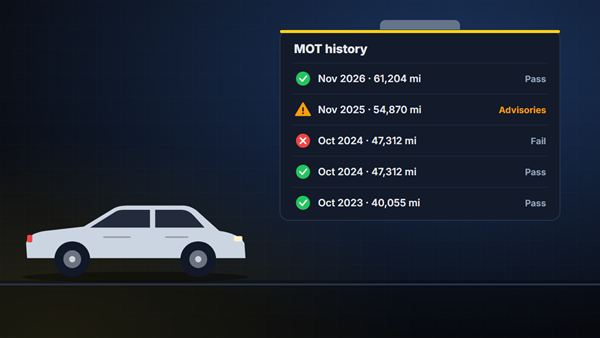
Check the MOT mileage record
The mileage is recorded at every MOT. Our mileage check plots those readings on a chart. A reading that goes down, or a sudden flattening after years of normal use, is a red flag.
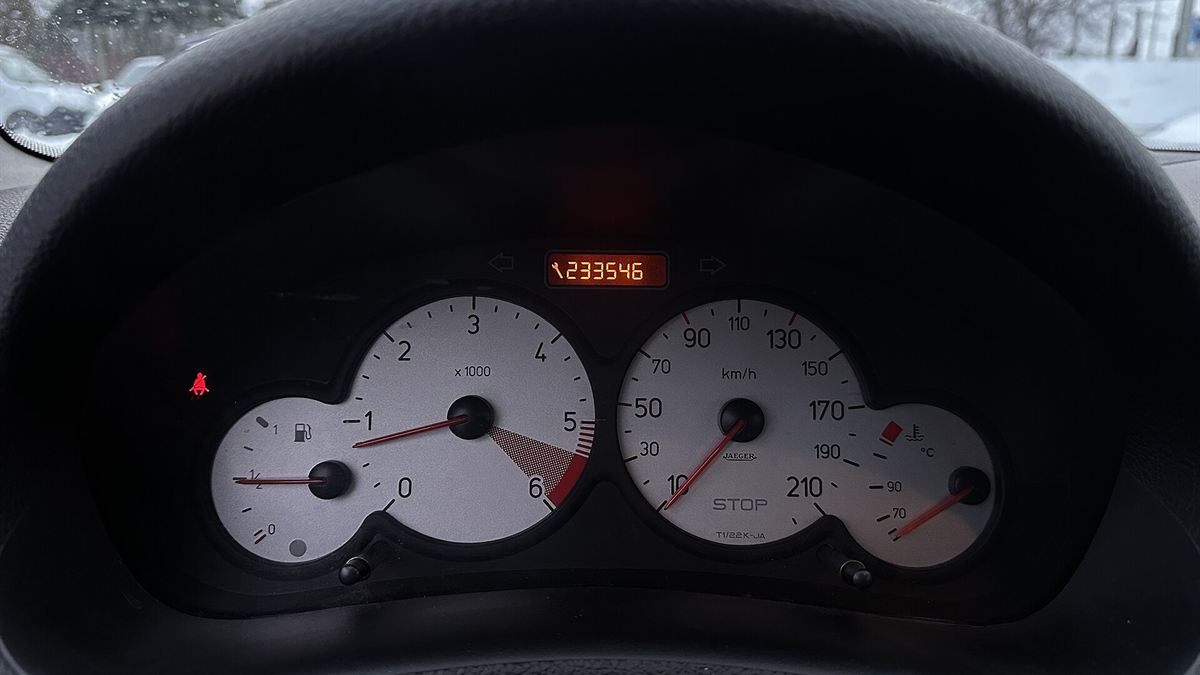
Compare the last MOT reading with the dashboard. If the car shows fewer miles now than at its last MOT, walk away.
Physical warning signs
- A worn steering wheel, gear knob, pedal rubbers or driver’s seat on a “low mileage” car.
- Stone chips across the bonnet and front bumper, which build up over many motorway miles.
- Service history with gaps, stamps from garages that don’t exist, or receipts with mileages that don’t fit.
- A new dashboard or instrument cluster with no explanation.
Typical mileage
The average UK car covers around 7,000 to 8,000 miles a year. A car well below that isn’t automatically suspicious, but you should be able to see why from its history.
If you’ve bought a clocked car
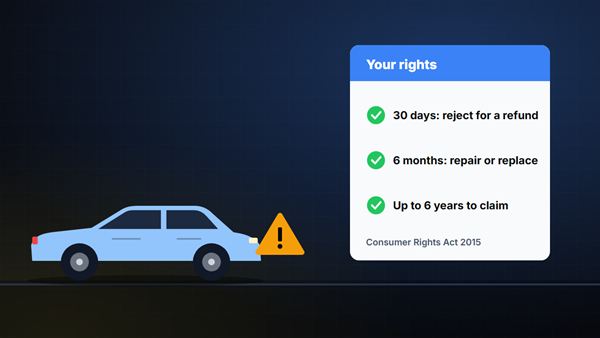
Report it to Trading Standards through the Citizens Advice consumer helpline. If you bought from a dealer, you have strong rights under the Consumer Rights Act 2015. See your rights if you bought a faulty used car.
Frequently asked questions
Can digital odometers be clocked?
Yes. Digital readings can be changed with equipment that plugs into the car, which is why checking the MOT mileage record matters.
How can I check mileage for free?
Our mileage check shows the reading from every MOT since 2005, free, by registration.
What is a mileage discrepancy?
A recorded reading that doesn’t fit the pattern, such as a lower mileage than at a previous test. It can mean clocking or a recording error, and it’s worth asking about.