Every MOT since 2005 is recorded by the DVSA, including the result, the mileage and any faults. It’s one of the most useful free tools a used car buyer has, if you know how to read it.
How to check it
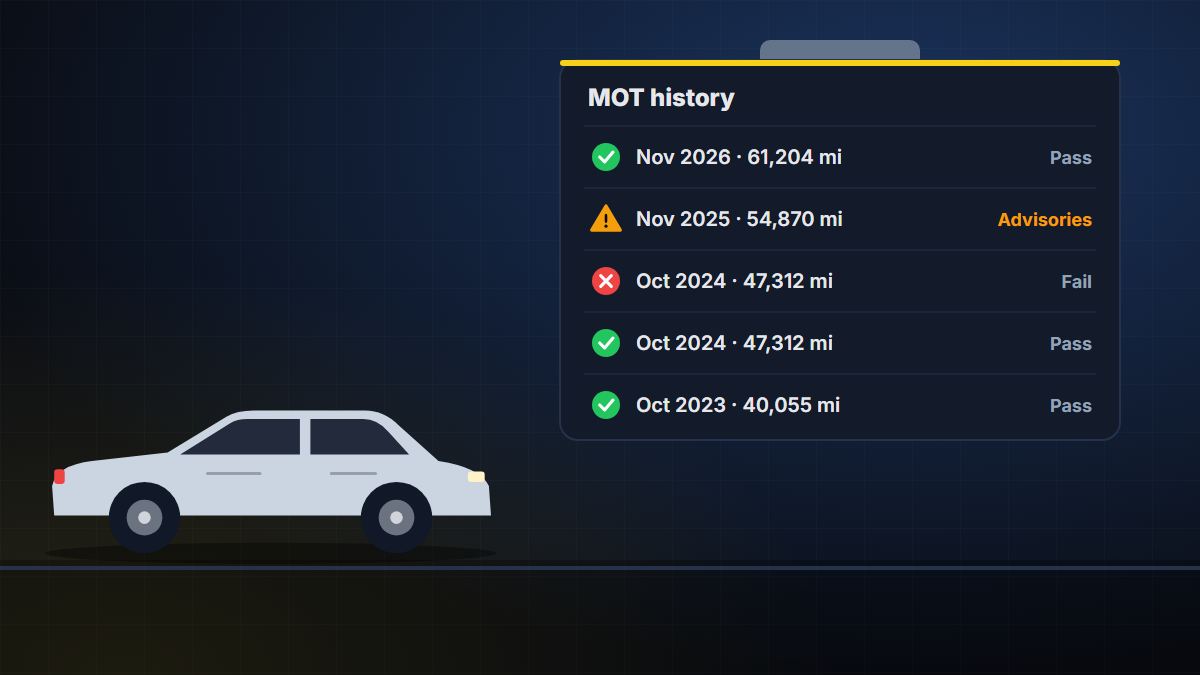
Enter the registration in our MOT history check. You’ll see every test with its date, result, mileage, failure reasons and advisories. It’s free and needs no sign-up.
What to look for
- Repeated advisories: the same warning year after year (for example corrosion or worn suspension) usually means it’s never been fixed.
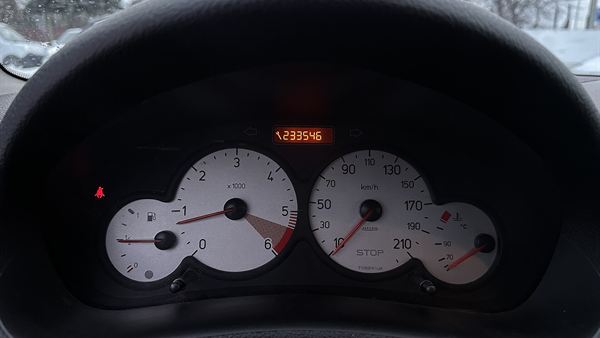
- Mileage: readings should rise steadily. A drop suggests clocking or a recording mistake. See how to spot a clocked car.
- Gaps: a missing year can mean the car was off the road, SORN, or driven without an MOT.
- Serious fails: corrosion near the brakes, suspension or chassis is expensive to fix properly.
Fails followed by passes
A fail with a pass on the same or next day is normal: the garage fixed the problem and retested it. Several fails in a row for the same issue is a warning that repairs were done cheaply.
Use it to haggle
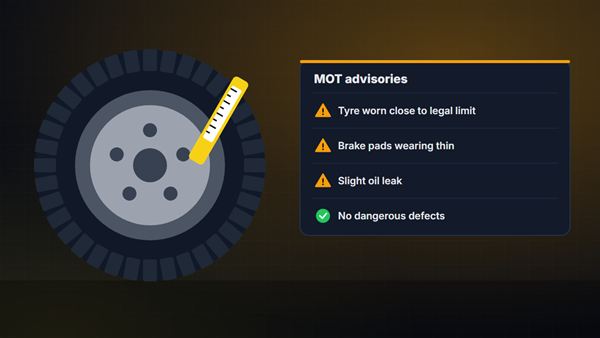
Advisories are things that will need attention soon, like tyres or brake discs. They’re fair points to negotiate on. Read more in MOT advisories explained.
Frequently asked questions
Is checking MOT history free?
Yes. MOT history is public information from the DVSA and our MOT history check is free.
How far back does MOT history go?
Records go back to 2005 for tests in Great Britain, and are available for cars, vans and motorbikes.
Does MOT history show the mileage?
Yes. The odometer reading is recorded at every test, which makes it useful for spotting clocking.