SORN stands for Statutory Off Road Notification. It tells the DVLA that a vehicle isn’t being used or kept on a public road, so it doesn’t need to be taxed or insured.
When you need a SORN
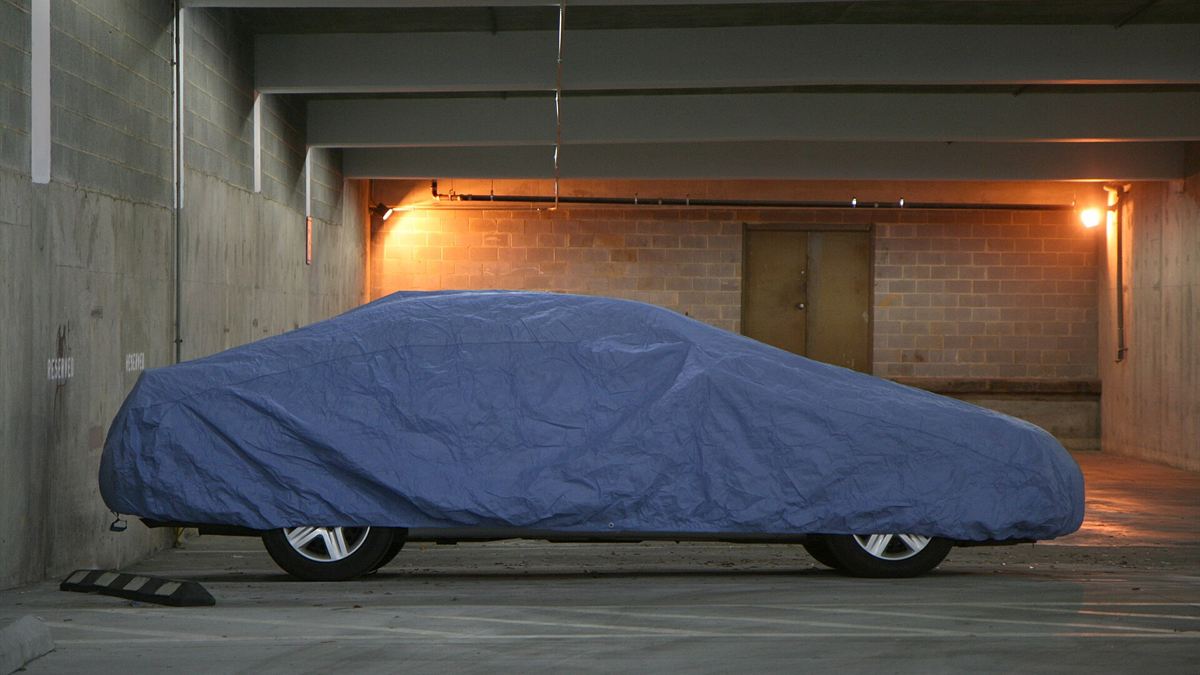
If you keep a vehicle off the road, for example in a garage or on a private driveway, and don’t want to tax it, you must declare SORN. It’s free and you can do it online with the DVLA.
Rules for a SORN vehicle
- It must be kept off public roads, including parked on the street.
- It can only be driven on a public road to or from a pre-booked MOT test.
- A SORN stays in place until the vehicle is taxed, sold or scrapped.
If you don’t tax a vehicle and don’t declare SORN, the DVLA can send a £80 penalty, and you could be taken to court and fined up to £1,000.
Buying a SORN car
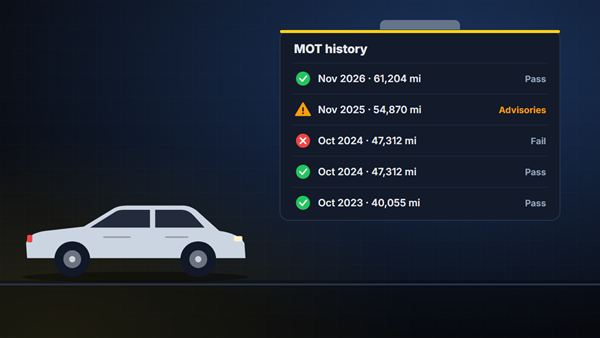
Tax doesn’t transfer when a car is sold, so you’ll need to tax it in your name before driving it. You can usually do that straight away online, as long as it has a valid MOT (if it needs one) and you have insurance.
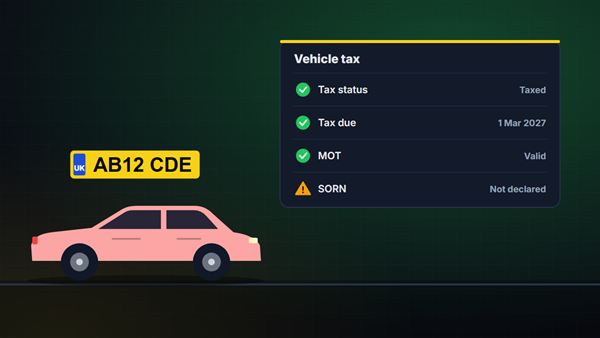
A car that’s been SORN for a long time may need attention: tyres, brakes, battery and fluids can all deteriorate. Our car tax check shows its current tax and MOT status.
Frequently asked questions
Is SORN free?
Yes. Declaring SORN with the DVLA is free and doesn’t need renewing.
Can I insure a SORN car?
Yes, and many owners keep cover against fire and theft while a car is off the road.
Do I need to SORN a car I’ve sold?
No. Tell the DVLA you’ve sold it. The new keeper is responsible for taxing it or declaring SORN.