Why vans need extra care
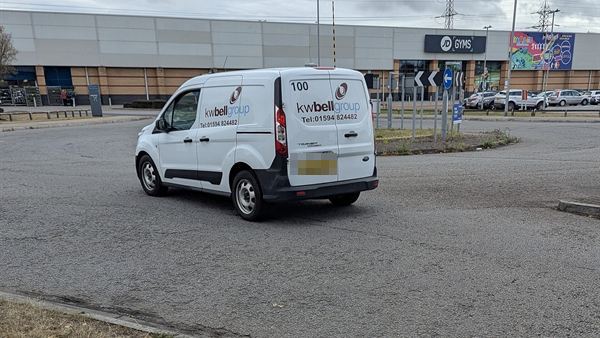
Many used vans come from fleets, leasing companies or tradespeople, so outstanding finance and lease agreements are more common than on private cars. High mileage is normal, but readings that go backwards are not: ex-fleet vans are sometimes clocked to look less used. Vans are also a target for theft, for the van itself and for the tools inside.
Reading a van’s MOT history
Most vans have their first MOT at three years old, then every year. Vans up to 3,000kg gross weight take the same class 4 test as cars; heavier light vans between 3,000kg and 3,500kg take the class 7 test. Look for repeated advisories on brakes, suspension and corrosion, and for long gaps between tests, which can mean the van was off the road.
Before you buy
Check the VIN on the van matches the V5C, ask for service records, and if the seller is a business, ask whether the van was leased or financed and get written proof it’s been paid off. A Complete check shows any finance registered against it before you hand over money.
Frequently asked questions
Can I check a van by registration?
Yes. Any UK-registered van works the same way as a car. The free check shows its details, tax status and full MOT history.
Does the check work for large vans?
It covers light commercial vehicles up to 3.5 tonnes, which includes vans like the Ford Transit and Mercedes Sprinter. Valuations are available for most vans under 20 years old.
Will it show if a van was a lease vehicle?
If a lease, hire purchase or conditional sale agreement is still registered against the van, the outstanding finance check in our Complete check will show it.