Most new cars in the UK are bought on finance, so many used cars for sale have had a finance agreement at some point. If that finance hasn’t been paid off, the car may still belong to the lender, not the person selling it. Here’s how to check before you hand over any money.
Why outstanding finance matters
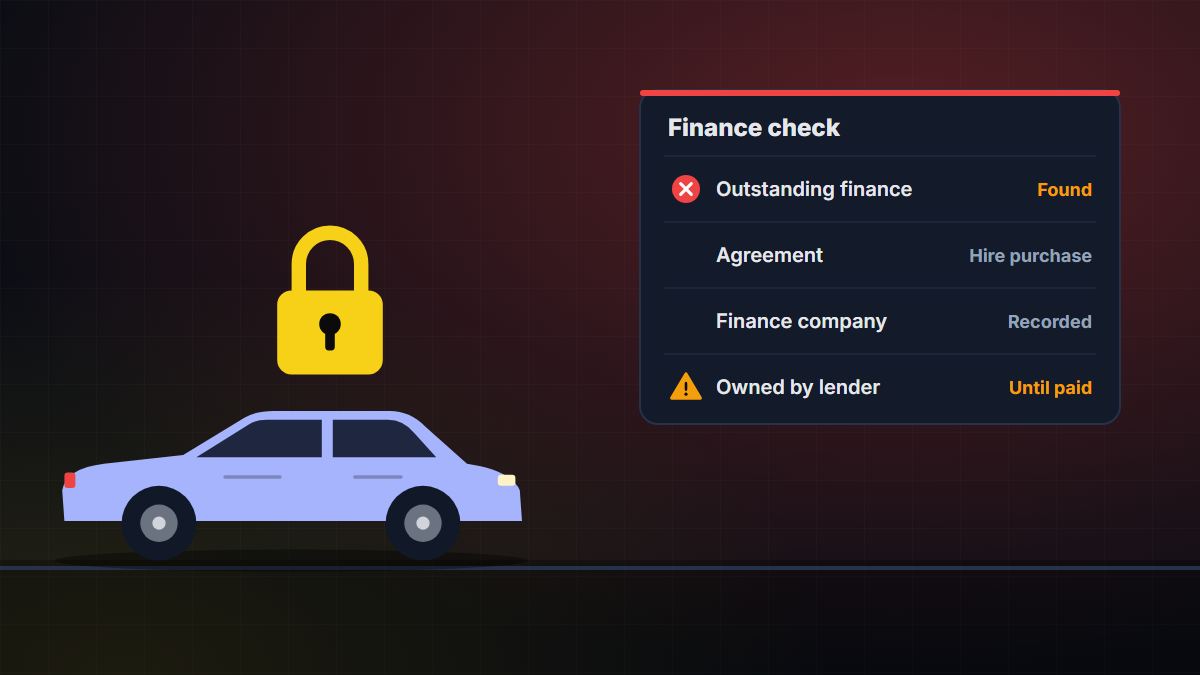
With hire purchase (HP) and personal contract purchase (PCP), the finance company owns the car until the last payment is made. The driver is only the keeper. If they sell the car before settling the agreement, they’re selling something that isn’t theirs.
If you buy that car, the lender can ask for it back or ask you to settle what’s owed. You could lose the car and the money you paid for it.
How to check for finance
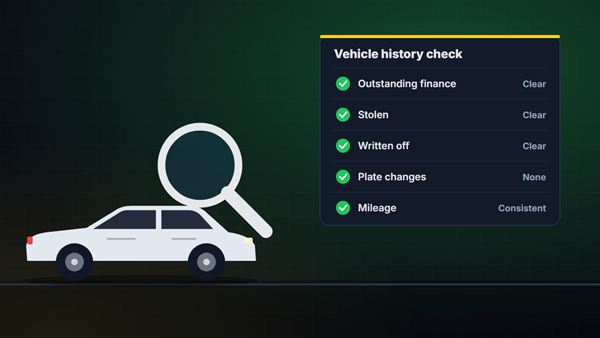
Finance companies record their agreements on a central register used by the motor trade. A paid history check searches that register by registration number and tells you whether any agreement is still live, who the lender is and what type of agreement it is.
A free check, like our free car check, uses DVLA and DVSA records. Those don’t include finance, because finance data is held by private databases that charge per search. Our car finance check is included in the Complete check.
Signs a seller may be hiding finance
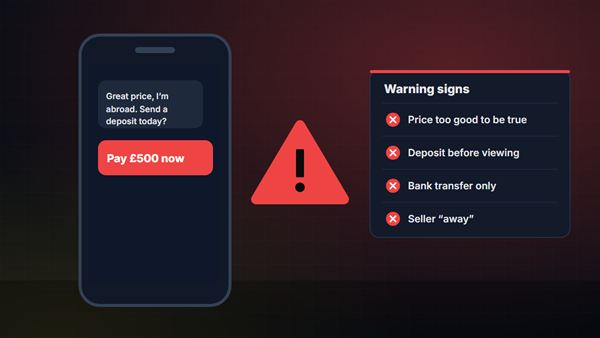
- The price is well below similar cars and the seller wants a quick sale.
- The seller can’t show the V5C logbook, or the name on it doesn’t match.
- They want cash only, or ask you to pay into someone else’s account.
- They’ve owned the car for only a few months.
What if the check shows finance?
Finance on a car isn’t always a deal-breaker. Ask the seller to settle the agreement before the sale and show you the lender’s written confirmation that it’s been paid. If you’re buying from a dealer, they should settle it as part of the sale.
Never pay the seller and trust them to clear the finance afterwards. Run the check again on the day you collect the car.
How the law protects private buyers
Under Part III of the Hire Purchase Act 1964, a private buyer who buys a car in good faith, without knowing about an HP or conditional sale agreement, usually becomes the legal owner. The lender then has to chase the seller instead.
This protection doesn’t cover logbook loans (bills of sale), and it doesn’t help if you knew about the finance or are buying as a trader. Proving good faith can also mean a long dispute, so checking first is far easier.
Frequently asked questions
Can I check car finance for free?
Not reliably. Finance records sit on private databases that charge for every search, so every genuine finance check costs money. A free check covers DVLA and MOT records only.
Does outstanding finance show on the V5C?
No. The V5C logbook shows the registered keeper, not the owner, and has no record of finance.
What happens if I bought a car with outstanding finance?
Contact the lender straight away. If you were a private buyer acting in good faith, the Hire Purchase Act 1964 usually protects you for HP and conditional sale agreements. Citizens Advice can help.