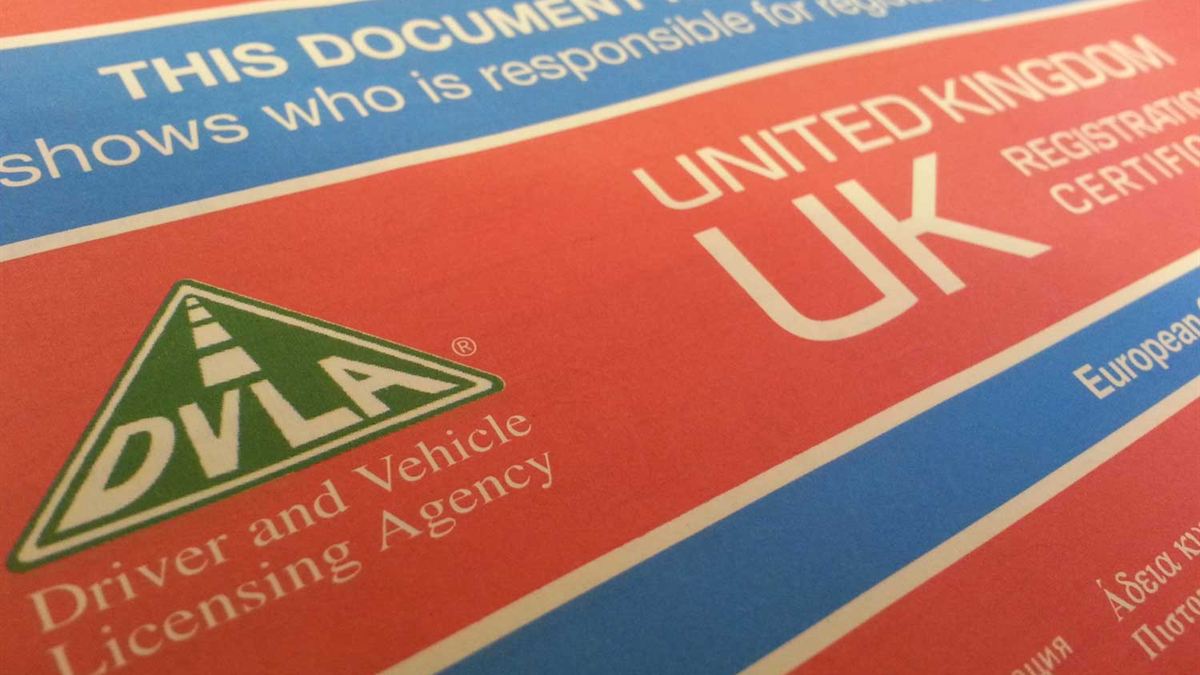
The V5C, or vehicle registration certificate, is the document the DVLA issues for every registered vehicle. It records who the registered keeper is, along with the car’s key details.
Keeper, not owner
The V5C shows the registered keeper: the person responsible for taxing and registering the vehicle. It isn’t proof of ownership. A car can have outstanding finance and still have a V5C in the driver’s name, which is why a finance check matters.
What to check on the V5C
- The seller’s name and address match their ID and the place you’re viewing the car.
- The VIN, engine number and colour match the car in front of you.
- There’s a DVLA watermark when you hold the paper up to the light.
- The document looks genuine: no spelling mistakes, alterations or poor printing.
If there’s no V5C
Be very careful. Sellers sometimes say it’s “in the post”. A missing V5C is a common sign of a stolen or cloned car. If you still want to buy, the seller can tell the DVLA online and you’ll receive a new V5C, but run a full stolen car check first.
Buying and selling
When a car is sold privately, the seller tells the DVLA online (or fills in the new keeper section and posts it), and gives you the green new keeper slip. Your new V5C should arrive within a few weeks.
Frequently asked questions
Does a V5C prove ownership?
No. It shows the registered keeper, who may not be the legal owner, for example if there’s finance on the car.
How do I get a replacement V5C?
Apply to the DVLA online or by post. There’s a fee of £25.
Can I buy a car without a V5C?
You can, but it’s a risk. Make sure the car isn’t stolen or cloned, and that the seller tells the DVLA about the sale.