Selling privately usually gets you more than a part-exchange or a buying service. It takes a little more effort, and a bit of care around payment.
Price it right
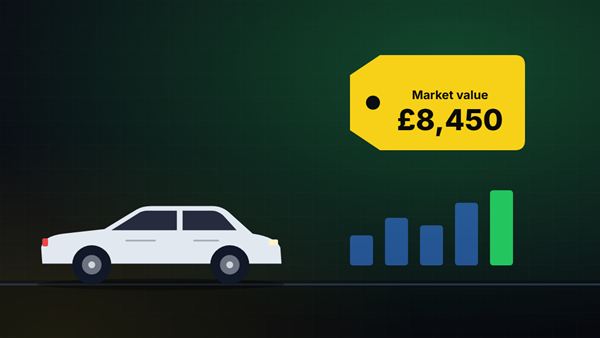
Check what similar cars with similar mileage are advertised for, and get a car valuation to see the private sale figure. Pricing slightly above your target leaves room to negotiate.
Prepare the car and paperwork
- Clean it inside and out, and fix cheap faults like bulbs and wiper blades.
- Gather the V5C, service history, MOT records, receipts, manual and all keys.
- Run a free car check so you know what buyers will see.
Viewings and test drives
Make sure the buyer is insured before a test drive, and go with them. Keep the keys with you when you’re not in the car.
Getting paid safely
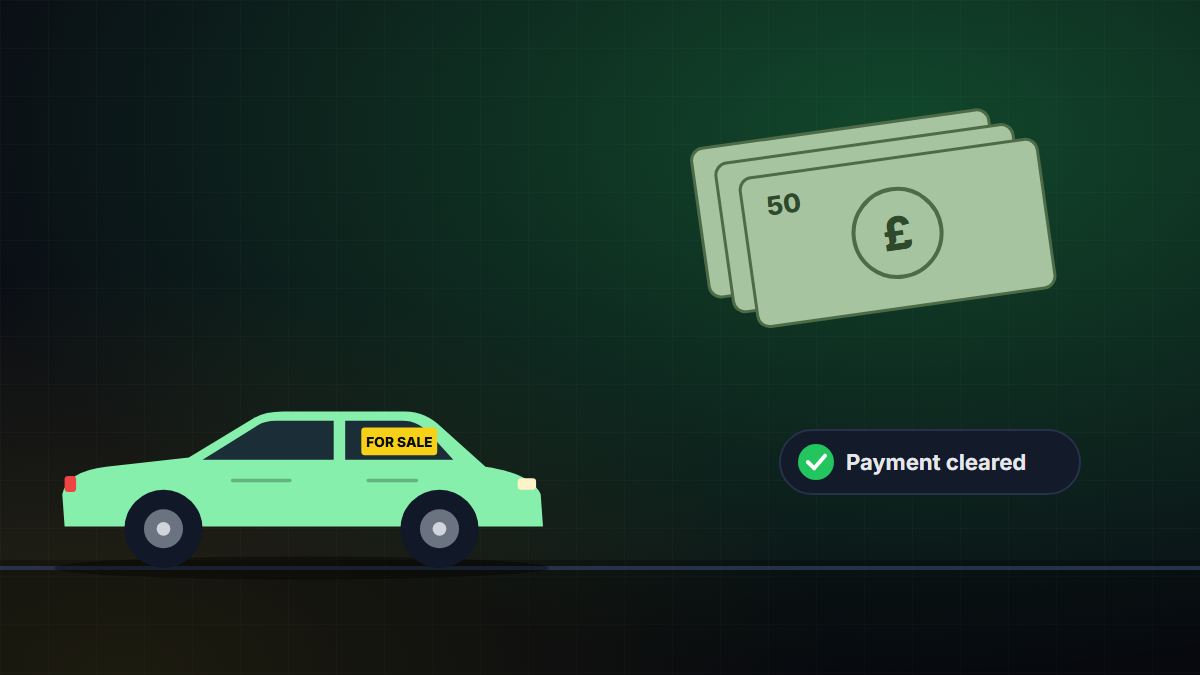
A bank transfer is safest. Wait until the money shows in your account and has cleared before handing over the car and keys. Don’t rely on a screenshot or a text message.
After the sale
- Tell the DVLA online straight away, then give the buyer the green new keeper slip (V5C/2).
- You’ll get an automatic refund for any full months of tax left.
- Cancel or transfer your insurance, and cancel any vehicle tax direct debit if it doesn’t stop automatically.
- Write a simple receipt with the date, price, registration and both names, and keep a copy.
Frequently asked questions
Do I need an MOT to sell a car?
No, but a car with a long MOT is easier to sell and worth more.
How do I tell the DVLA I’ve sold my car?
Online with the 11-digit reference number on the V5C. It’s free and instant.
Is cash safe when selling a car?
Large amounts of cash carry a risk of counterfeit notes and theft. A cleared bank transfer is safer.