Japan is the most popular source of imported cars in the UK. Japanese cars drive on the left like ours, so they’re already right-hand drive, and they’re often low-mileage and well kept. Here’s how the process works, from auction to UK plates.
1. Find the car
Most cars come from Japanese auctions, bought through an exporter or a UK import specialist. Ask for the auction sheet, which records the grade, mileage and any damage, and get it translated. Ask the exporter for the Japanese export certificate, which shows the mileage when the car was deregistered in Japan.
2. Shipping
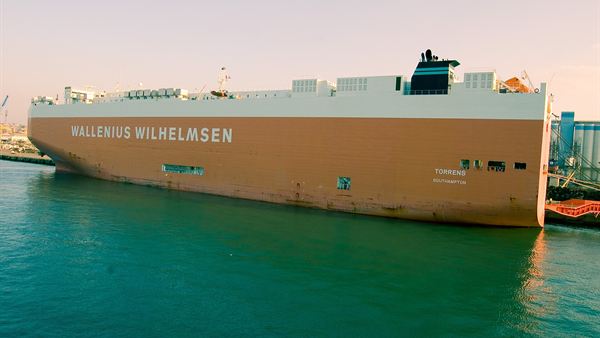
Cars travel by roll-on roll-off ship or in a container, usually taking 6 to 8 weeks to reach UK ports such as Southampton or Bristol. Ask the shipper to handle customs clearance for you.
3. Customs: NOVA, duty and VAT
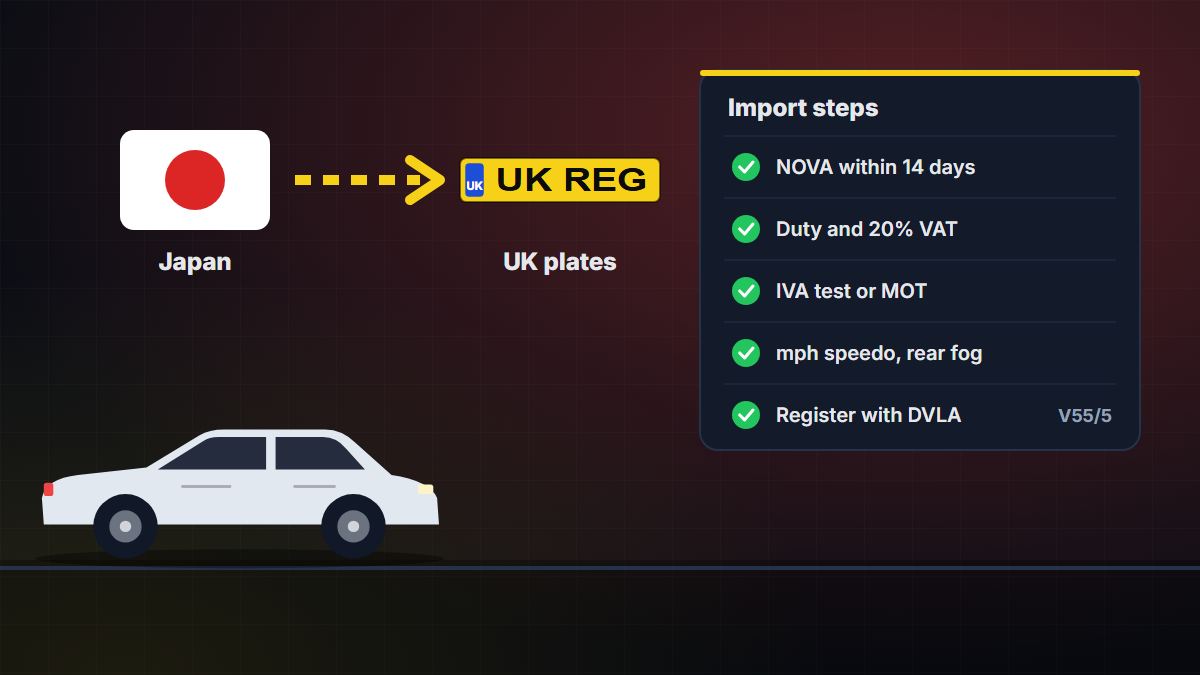
- NOVA: you, or your agent, must tell HMRC the car has arrived using the Notification of Vehicle Arrivals service within 14 days. The DVLA won’t register the car without it.
- Import duty: normally 10% of the car’s value plus shipping. Cars proven to originate in Japan may qualify for 0% under the UK–Japan trade agreement, but you need the right origin paperwork from the exporter.
- VAT: 20% of the value, shipping and duty added together.
- Classic cars: vehicles over 30 years old, in original condition, can qualify as historic. That means 0% duty and 5% VAT.
4. Make it road legal: IVA or MOT
- Under 10 years old: the car usually needs an Individual Vehicle Approval (IVA) test at a DVSA test centre. It checks that the car meets UK safety and construction standards.
- 10 years old or more: no IVA is needed, but the car needs a UK MOT if it’s over 3 years old.
- Common changes: the speedometer must show miles per hour, and a rear fog light may need adding. Japanese headlights are already set for driving on the left.
5. Register it with the DVLA
Apply with form V55/5, sending the NOVA reference, the IVA certificate or MOT, proof of identity and insurance, the export certificate and the fee (currently £55 plus the first vehicle tax). The DVLA then issues a UK registration number and a V5C logbook, and you can get plates made.
Checks to make
- Compare the mileage on the auction sheet, the export certificate and the dashboard. A mismatch can mean clocking.
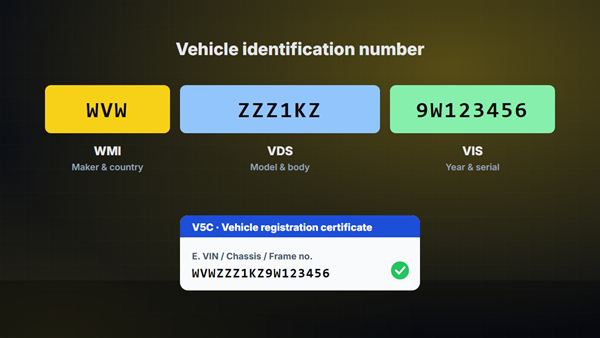
- Check the VIN or chassis number matches on the car and all the paperwork. Japanese domestic cars often have a shorter chassis number instead of a 17-character VIN. See how to decode a VIN.
- Check for rust underneath, especially on cars from snowy northern Japan, where roads are salted.
- Get insurance quotes before buying, as some imports cost more to insure.
Buying an import that’s already on UK plates? Run a free car check and read our guide to buying an imported car.
Frequently asked questions
How much does it cost to import a car from Japan?
On top of the car, budget for shipping, 10% import duty (unless the car qualifies for 0% under the UK–Japan agreement), 20% VAT, the IVA test if needed, any modifications and the £55 DVLA registration fee.
Does an imported Japanese car need an MOT?
Yes, if it’s over 3 years old. Cars under 10 years old usually also need an IVA test before they can be registered.
How long does it take to import a car from Japan?
Usually 2 to 3 months in total: around 6 to 8 weeks of shipping, plus customs, any IVA test and DVLA registration.