Insurers sell written-off and damaged cars through salvage auctions such as Copart. Prices can be a fraction of a normal used car, which makes them popular with mechanics, restorers and people after cheap parts. But every lot is sold as seen, some can never legally drive again, and the costs don’t stop at the hammer price. Here’s how it works.
Know the write-off categories first
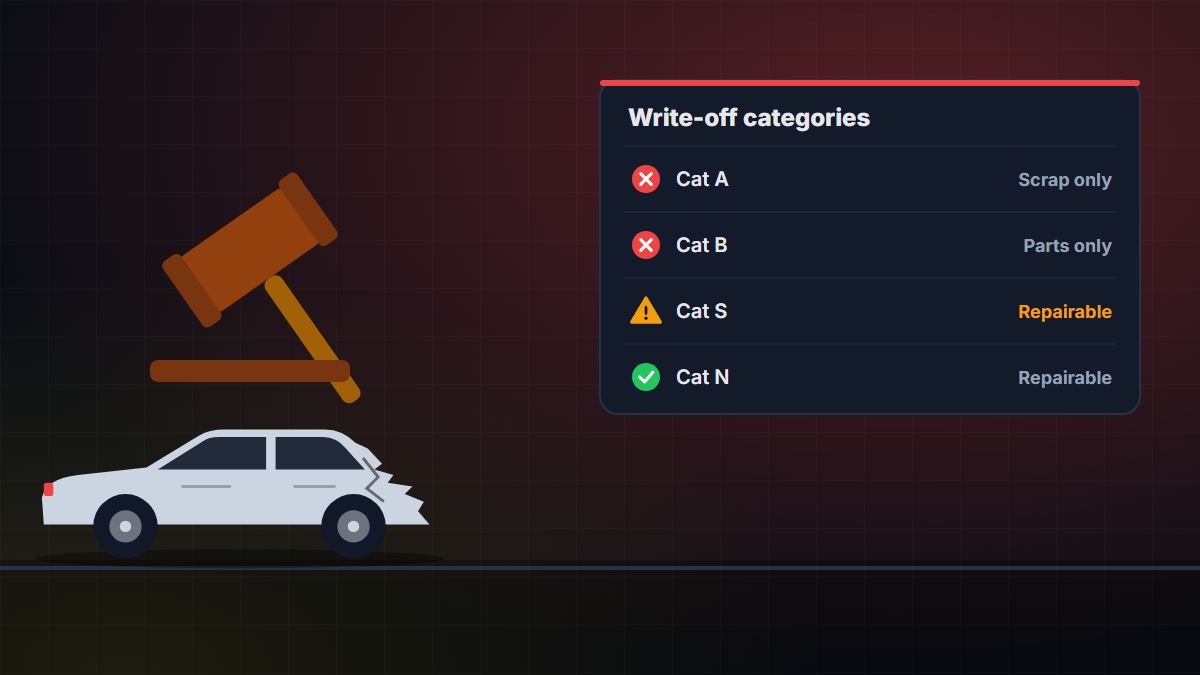
- Cat A: scrap only. The whole vehicle must be crushed and no parts can be reused.
- Cat B: break for parts only. The body shell must be crushed and the car can never return to the road.
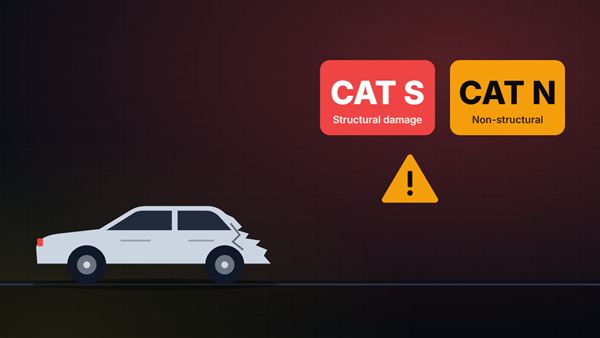
- Cat S: structural damage, such as to the chassis or crumple zones. It can be professionally repaired and return to the road.
- Cat N: non-structural damage, such as cosmetic or electrical faults. It can be repaired and return to the road.
Only Cat S and Cat N cars can be driven again. Lots described as “non-category” or “recovered stolen” may have no write-off record at all, but check. Our guide Cat S vs Cat N explains the difference in detail.
How buying at a salvage auction works
- Register: create an account with the auction house. Copart UK lets members of the public bid on many lots, while some lots are restricted to trade buyers. You’ll usually need ID and may need to pay a deposit or membership fee.
- Research the lot: read the listing, the photos and the damage description, note the category and whether the car has keys and its V5C, and run the registration through a write-off check.
- View it if you can: most yards let you inspect lots before the sale. You usually can’t start it or test drive it, so take someone who knows cars.
- Bid: auctions are online. Set a maximum that leaves room for every extra cost, and stick to it.
- Pay and collect quickly: payment is normally due within a few working days, and storage charges start after a short free period. Most lots can’t be driven away, so arrange a trailer or transport.
The real cost
On top of the winning bid, budget for:
- buyer’s fees and online bidding fees, which can add a lot to a cheap car, plus VAT where it applies;
- transport from the yard and any storage charges;
- parts and labour, and specialist repairs for structural, airbag or electric-car battery damage;
- an MOT, insurance (often higher for write-offs) and vehicle tax.
Getting a repaired car back on the road
- The repair must make the car roadworthy. Cat S cars especially need proper structural repairs, ideally by a qualified body shop, with photos and invoices kept.
- The car needs a valid MOT if it’s over 3 years old, plus insurance and tax, before it can be driven.
- The write-off is recorded against the car permanently, and the category will show on history checks. Follow GOV.UK’s guidance on telling the DVLA and keep the V5C up to date.
- Tell your insurer it’s a repaired write-off. Not declaring it can invalidate your cover.
Risks to weigh up
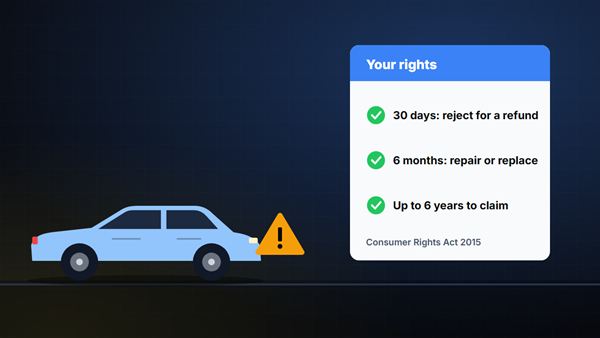
- Sold as seen: you don’t get the consumer rights you’d have buying from a dealer.
- Hidden damage: flood, fire and airbag deployments can cause problems that photos don’t show.
- Resale value: a repaired write-off is usually worth noticeably less than the same car with a clean history.
- Electric cars: battery damage can be expensive or impossible to repair economically.
Buying a repaired write-off from someone else?
Many auction cars are repaired and resold. If a seller’s car has a Cat S or Cat N record, ask to see the repair invoices and photos, have it inspected, and check the price reflects the history. A write-off check shows the category and date, and a finance check confirms nothing is still owed.
Frequently asked questions
Can anyone buy from Copart in the UK?
Copart UK lets members of the public register and bid on many vehicles, but some lots are restricted to trade buyers. Check each listing before you bid.
Can a Cat B car go back on the road?
No. Cat A and Cat B vehicles can never legally return to the road. Only Cat S and Cat N write-offs can be repaired and driven again.
Do I need to tell my insurer I bought a repaired write-off?
Yes. You must declare a write-off history to your insurer, or your cover could be invalid.