Used electric cars have become much more affordable. Most of the usual checks still apply, plus a few that are specific to EVs, especially the battery.
Battery health
The battery is the most expensive part of an EV. Ask for a battery health report (often called state of health, or SoH). Many dealers can provide one, and some manufacturers’ apps show it. Compare the real-world range on a full charge with the original figure.
Battery warranty
Many manufacturers cover the battery for around 8 years or 100,000 miles, often promising it keeps at least 70% of its capacity. Check what’s left on the warranty and whether it transfers to you.
Charging
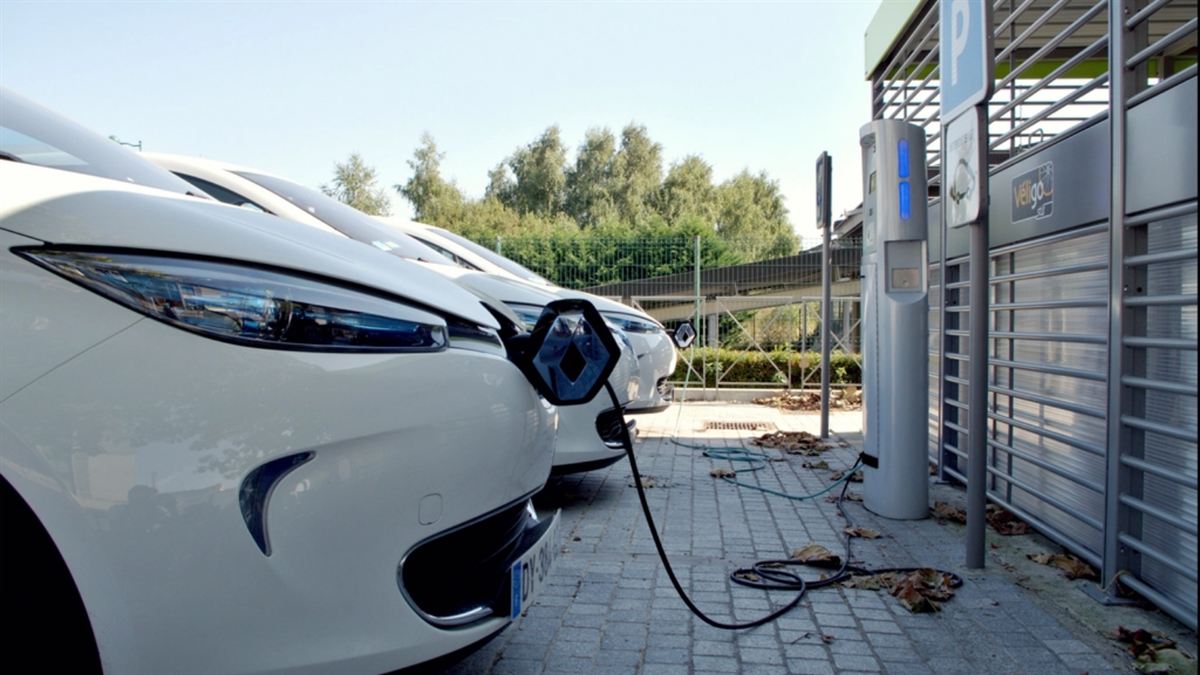
- Check which charging cables come with the car (a home cable and a Type 2 public charging cable).
- Check the rapid charging speed it supports, and that rapid charging works.
- If you’ll charge at home, think about the cost of fitting a home charger.
Tax and running costs
Since April 2025, electric cars pay vehicle tax. EVs with a list price over £40,000 when new also pay the expensive car supplement for five years. Our car tax check shows the current status.
The usual checks still apply
EVs can have outstanding finance, be written off or be stolen like any other car. Run a full history check, and check the MOT history if it’s over three years old.
See also: Used electric car battery health: how to check it · Buying a Chinese electric car in the UK
Frequently asked questions
How long do EV batteries last?
Most are designed to last well beyond the length of the warranty, typically losing capacity slowly over many years.
Do electric cars need an MOT?
Yes. Like other cars, they need their first MOT at three years old in Great Britain.
Do electric cars pay road tax?
Yes, since April 2025. Before that they were exempt.