Private sellers are often cheaper. Dealers usually cost more but give you far stronger legal rights. Here’s how to decide.
Buying from a dealer
- Under the Consumer Rights Act 2015, the car must be of satisfactory quality, fit for purpose and as described.
- You can reject a faulty car within 30 days for a full refund.
- Many dealers include a warranty and finance options, and take part-exchanges.
- Prices are typically higher than private sales.
Buying privately
- Usually the cheapest way to buy.
- The car only has to be “as described” and the seller must have the right to sell it.
- There’s no right to reject for faults the seller didn’t know about. “Sold as seen” really applies.
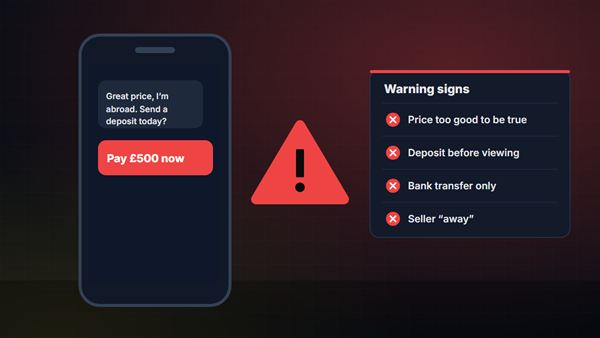
- Higher risk of scams, cloned cars and hidden finance.
Watch out for traders posing as private sellers
Some dealers pretend to be private sellers to avoid their legal duties. Signs include several cars advertised from the same phone number, or a seller whose name isn’t on the V5C. If they’re trading, you still have your full rights.
Whichever you choose
Run a full history check yourself. Dealers should check their stock, but it costs little to see the results first-hand, and with a private sale it’s essential.
Frequently asked questions
Is it safer to buy from a dealer?
Generally, yes. Dealers have legal duties under the Consumer Rights Act 2015 and you can reject a faulty car within 30 days.
Can I return a car bought privately?
Only if it wasn’t as described or the seller didn’t have the right to sell it. There’s no general right to return.
Do dealers have to tell you if a car was written off?
They mustn’t mislead you. Selling a written-off car without disclosing it can breach consumer law.